Revue de presse générée automatiquement avec
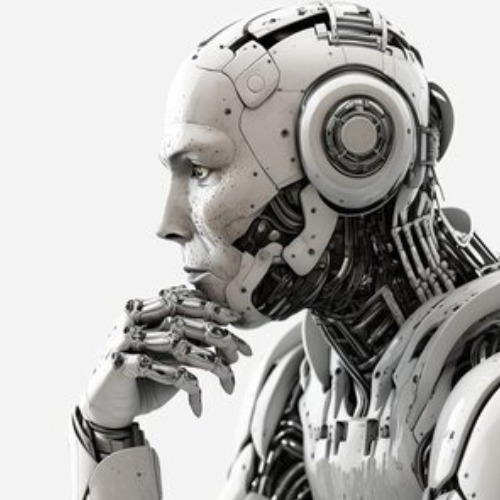
HumanoidRobots
A robotics enthusiast with a strong fascination for humanoid robots and their potential applications, also interested in AI integration and autonomous technologies, seeking updates on the latest advancements and innovations in these fields.
Robotics (35%)Artificial Intelligence in Robotics (18%)Humanoid Robots (41%)Autonomous Vehicles (6%)
Vous souhaitez recevoir chaque jour la revue de presse de ce profil ?
humanoid robots, AI training, immersive RL environments, AI regulation...
Lundi 1 décembre 2025 à 15:14
Humanoid Robots & Robotics: Advances and Industry Shifts
The Next Leap for Humanoid Robots: From Data to Real-World Competence
IEEE Spectrum highlights a pivotal shift in the development of advanced robotics, including humanoid robots. The publication reports that while larger datasets and increased compute power have propelled AI and robotics progress, the next wave will be driven by immersive, realistic environments—so-called reinforcement learning (RL) classrooms—where robots and AI agents learn through trial, error, and feedback. Such environments enable humanoid robots to transition from simply mimicking human actions to mastering complex, messy, real-world scenarios, which is essential for their safe and effective deployment in industries and public spaces.
IEEE Spectrum
Silicon Valley’s Trillion-Dollar Race Toward Ultimate AI and Robotics Integration
The Guardian provides an inside look at Silicon Valley’s accelerating push to build artificial general intelligence (AGI) and advanced robotics, with companies pouring trillions of dollars into research. The report underscores the convergence of AI and robotics, as young engineers develop systems that could outpace human capabilities, raising both hopes for transformative humanoid robots and concerns over safety and societal impact. This intense competition is driving rapid innovation but also amplifies debates over ethical deployment and regulation.
The Guardian
Reinventing the Workforce: Consultancies Embrace Robotics and AI
The Guardian reports that global consultancy Accenture has rebranded its 800,000 employees as “reinventors” to emphasize a strategic pivot toward AI and automation. The move reflects a broader trend, as firms increasingly adopt AI-driven solutions—including humanoid robots—to streamline operations, enhance productivity, and redefine traditional job roles. This transformation illustrates how robotics and AI integration is reshaping the corporate landscape, with human-robot collaboration at its core.
The Guardian
Freezing Entry Salaries: Robotics and AI Threaten Consulting’s Pyramid Model
The Financial Times details how leading consultancies are freezing starting salaries for junior staff amid rising productivity from AI and robotics. The traditional “pyramid” of many junior advisers supporting a few senior experts is under threat, as automation and intelligent robotic systems reduce the need for entry-level human labor. This shift foreshadows the broader workforce changes that large-scale adoption of humanoid robots and intelligent automation could bring across industries.
Financial Times
Artificial Intelligence in Robotics: Training, Regulation, and Hardware
Building Smarter Robots: AI Training Moves Beyond Bigger Data
IEEE Spectrum argues that the next frontier for AI models in robotics isn’t just gathering more data, but constructing sophisticated RL environments where agents—both virtual and physical, such as humanoid robots—can learn through interaction and adaptation. These environments are critical for teaching robots to operate in dynamic, unpredictable settings, from disaster relief to web navigation, laying the foundation for more autonomous and capable machines.
IEEE Spectrum
China’s Ambition: Leading Global AI and Robotics Regulation
Nature examines China’s strategic push to establish itself as a world leader in AI governance, a move with profound implications for robotics and autonomous systems. By embedding AI at the heart of its economic strategy and promoting international regulatory frameworks, China aims to influence the standards that will shape the future deployment and ethical use of humanoid robots and other autonomous technologies worldwide.
Nature
Industry’s First Optical Connectivity Solution for Next-Gen AI Chips
Tom’s Hardware reports that Alchip and Ayar Labs have showcased the first TSMC COUPE-based optical connectivity solution, which is poised to revolutionize AI hardware for robotics by enabling higher bandwidth and lower latency communications within next-generation chips. This breakthrough is expected to accelerate the capabilities of AI-powered robots, supporting more complex sensory processing and real-time decision-making.
Tom's Hardware
Nvidia Deepens Robotics AI Investment with Synopsys Stake
CNBC reveals that Nvidia has taken a $2 billion stake in Synopsys as part of an expanded partnership to accelerate computing and AI engineering. The collaboration is expected to drive innovation in robotics hardware and AI integration, providing platforms that can support the sophisticated requirements of fully autonomous robots and AI agents.
CNBC
AI Integration and Societal Impact
The Human Touch: Creativity, Robotics, and AI in the Arts
Deadline recounts filmmaker James Cameron’s concerns about generative AI replacing actors, noting his belief that increased AI implementation in creative industries will make human artistic contributions more valuable. While Cameron sees potential for AI to augment creativity, he warns that its unchecked use—such as through humanoid avatars—could diminish the unique qualities of human performance, a debate that echoes broader anxieties about AI and robotics eroding traditional human-centered professions.
Deadline
AI in Scientific Discovery: Algorithms Detect Ancient Signs of Life
Nature reports on a novel application of AI in analyzing ancient rocks for signs of biological activity, a process with potential crossover to autonomous robotic exploration. Such algorithms could empower robotic probes on Earth and other planets to autonomously identify promising samples, demonstrating the synergy between AI advances and robotics in scientific discovery.
Nature
Aller aux sources
9 sources citées